



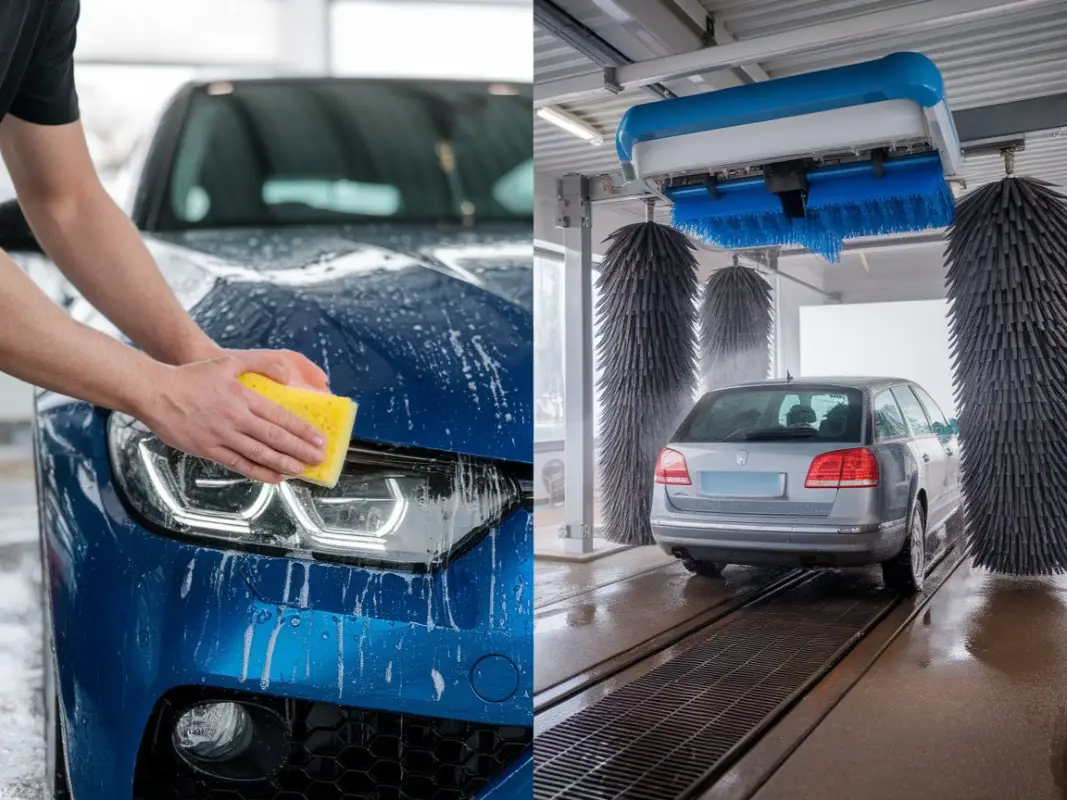
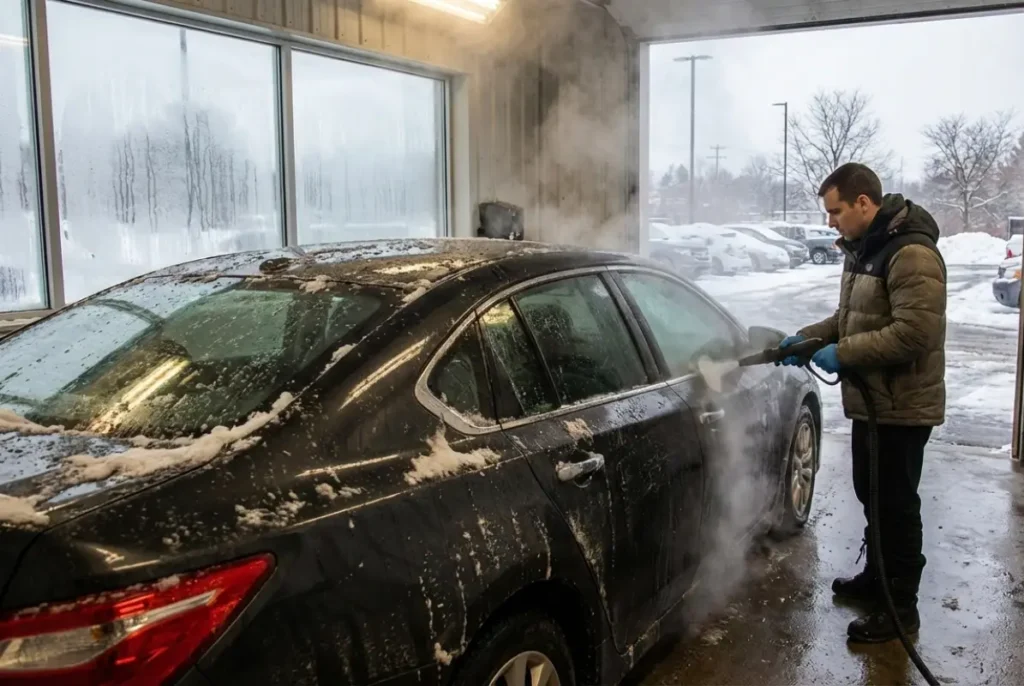
Winter is not just hard on you. It is brutal on your car.
If you live in Northern Virginia or the DMV, winter means road salt, chemical de-icers, slush, freezing rain, and nonstop grime. All of that sticks to your paint, wheels, brakes, and undercarriage. And once salt settles in, it does not politely wait for spring. It starts working immediately.
That brings up one of the most common winter car care questions we hear at Pro Detailing:
How often should you detail your car in winter?
Short answer: more often than you think.
Long answer: it depends on how you drive, where you park, and how much protection your vehicle already has. Let’s break it down properly and give you a clear, realistic winter detailing schedule that actually protects your car instead of just making it look clean.
Why Winter Is the Most Damaging Season for Your Car
Before we talk frequency, it helps to understand why winter detailing matters so much more than other seasons.
Road Salt Is the Real Enemy
Salt and liquid de-icers are extremely corrosive. Once they mix with moisture, they start eating away at:
- Clear coat
- Bare metal
- Suspension components
- Brake lines
- Exhaust parts
- Undercarriage seams
This damage does not show up overnight, but it compounds quickly.
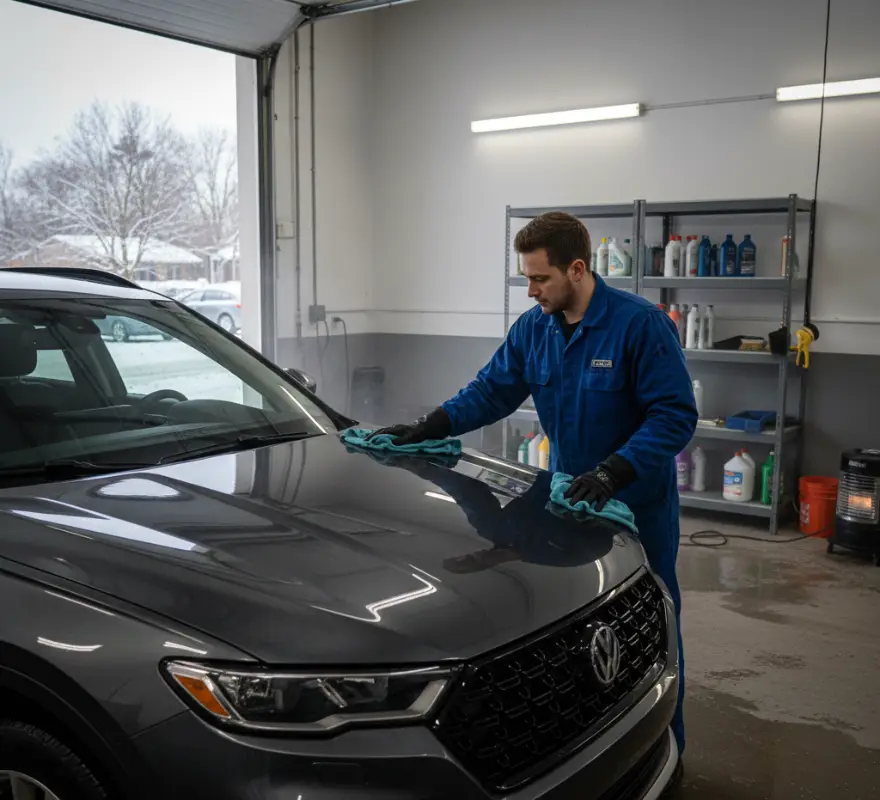
Moisture Gets Trapped Everywhere
Winter slush and snow pack into wheel wells, behind trim, under doors, and inside the undercarriage. That trapped moisture accelerates rust and corrosion.
Dirt Hides Damage
Winter grime makes it harder to spot early paint damage, chipped clear coat, or exposed metal. By the time you see it, the damage is already underway.
That is why winter detailing is not cosmetic. It is preventative maintenance.
How Often Should You Detail Your Car in Winter?
Let’s get specific.
The Ideal Winter Detailing Schedule
Full detail every 4 to 6 weeks
This is the sweet spot for winter protection in Northern Virginia.
A winter full detail focuses on:
- Thorough exterior wash
- Undercarriage cleaning
- Wheel and brake dust removal
- Paint decontamination
- Protective wax or ceramic maintenance
- Interior salt and moisture cleanup
This frequency keeps salt from building up long enough to cause long-term damage.
Maintenance Wash Every 2 Weeks
Between full details, your car should be washed at least every two weeks during winter.
This is not about shine. It is about removing:
- Fresh salt residue
- Road film
- Chemical spray from highways
If you drive daily or commute long distances, weekly washes are even better.
After Snowstorms or Heavy Salt Exposure
If you drive after:
- A snowstorm
- Freezing rain
- Heavy salt application
You should wash your car as soon as temperatures allow. Even a basic undercarriage rinse makes a big difference.
Salt does the most damage when it sits.
Winter Detailing Frequency Based on How You Drive
Not every driver needs the same schedule. Here is how to adjust based on real-world use.
Daily Commuters in Northern Virginia
If you drive every day on I-66, Route 28, I-95, or local salted roads:
- Full detail every 4 weeks
- Wash every 1 to 2 weeks
- Undercarriage rinse after storms
This group sees the most salt exposure.
Short-Trip or Local Drivers
If you drive mainly short distances but still park outside:
- Full detail every 5 to 6 weeks
- Wash every 2 weeks
Short trips still expose your car to salt. The difference is buildup happens slightly slower.
Garage-Kept Vehicles
If your car is garaged at night:
- Full detail every 6 weeks
- Wash every 2 to 3 weeks
Garage storage helps, but salt still rides home with you.
Luxury, Performance, or New Vehicles
If you care about resale value or paint condition:
- Full detail every 4 weeks
- Ceramic maintenance if applicable
- Interior salt protection monthly
Winter damage shows fastest on high-end paint finishes.
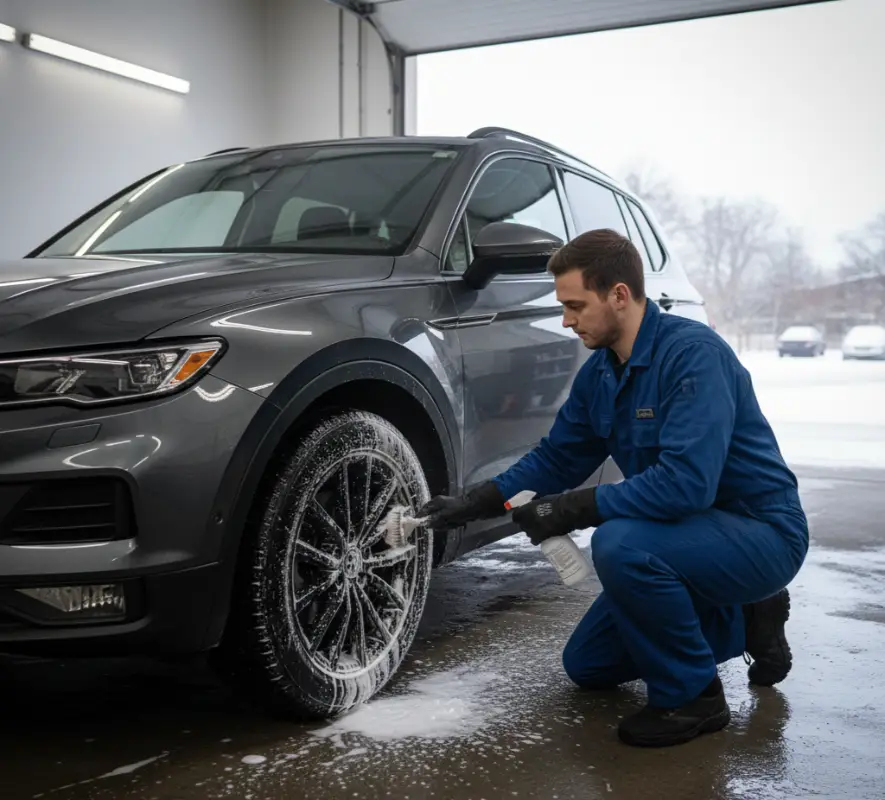
Why Undercarriage Cleaning Is Non-Negotiable in Winter
Most drivers focus on paint and forget the undercarriage. That is a mistake.
The undercarriage is where:
- Salt settles first
- Rust starts quietly
- Structural damage builds over time
Winter detailing without undercarriage cleaning is incomplete.
At Pro Detailing, winter services always prioritize:
- Frame rails
- Suspension components
- Brake areas
- Hidden seams and drains
If salt is allowed to sit there all winter, spring damage is already locked in.
Should You Get a Full Detail Before Winter Starts?
Absolutely.
A pre-winter detail is one of the smartest things you can do for your car.
What a Pre-Winter Detail Does
- Removes existing contaminants
- Seals paint before salt exposure
- Adds hydrophobic protection
- Makes winter washes more effective
Whether that protection is a quality wax or a ceramic coating, it reduces how aggressively salt bonds to your vehicle.
Think of it as winter armor.
Wax vs Ceramic Coating for Winter Protection
Both help. One just lasts longer.
Wax in Winter
- Affordable
- Provides short-term protection
- Needs reapplication every 1 to 2 months
Wax works well if you stay consistent with detailing.
Ceramic Coating in Winter
- Long-lasting protection
- Strong hydrophobic properties
- Makes winter washing easier
- Helps prevent salt bonding
Ceramic coating does not eliminate winter detailing, but it reduces how often heavy decontamination is needed.
Interior Detailing Matters More in Winter Than You Think
Winter is rough on interiors too.
Salt from shoes damages:
- Carpet fibers
- Leather stitching
- Plastic trim
- Seat rails
Moisture trapped inside causes odors and mold issues over time.
Winter Interior Detailing Schedule
- Light interior cleaning every month
- Deep interior detail once mid-winter
- Floor mat cleaning regularly
This keeps your interior from smelling like winter long after spring arrives.
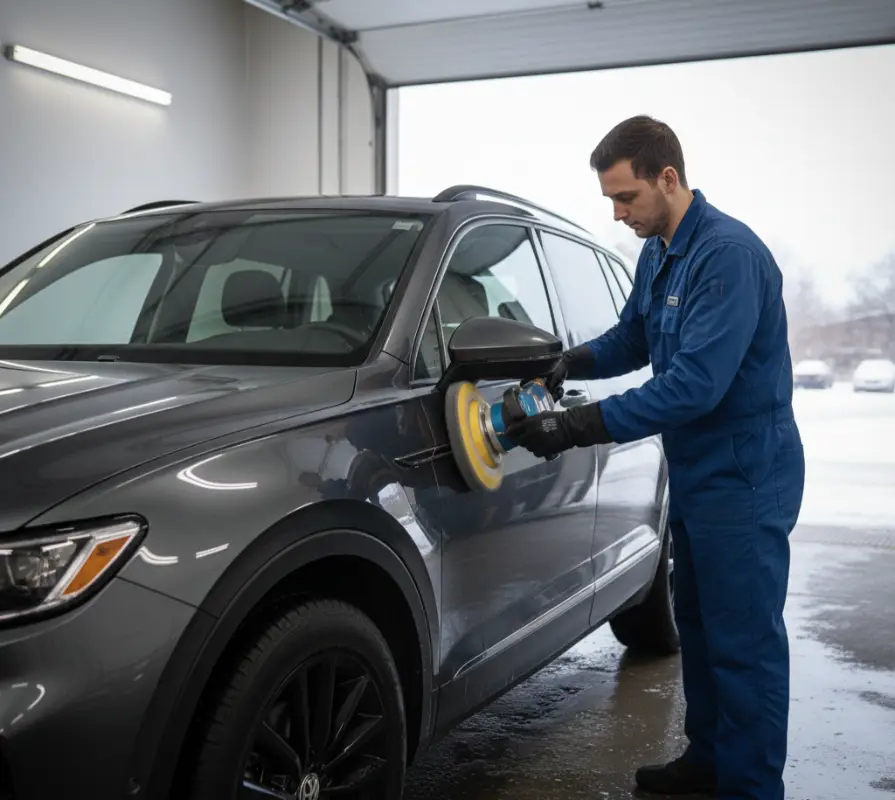
Touchless Car Wash vs Professional Winter Detailing
Touchless washes are better than nothing, but they are not enough on their own.
Pros of Touchless Washes
- Removes surface salt
- Fast and convenient
- No brushes
Cons
- Harsh chemicals
- No undercarriage precision
- No paint protection
- No interior care
Use touchless washes between professional detailing visits, not as a replacement.
Common Winter Detailing Mistakes to Avoid
Many drivers unknowingly make winter damage worse.
Waiting Until Spring
By spring, corrosion has already started.
Washing Only the Top Half
Salt damage starts underneath, not on the hood.
Skipping Interior Cleaning
Salt stains become permanent when ignored.
Thinking One Winter Wash Is Enough
Salt exposure is constant, not one-time.
Winter Detailing Schedule Summary
For most Northern Virginia and DMV drivers, the safest winter routine looks like this:
- Full detail every 4 to 6 weeks
- Maintenance wash every 1 to 2 weeks
- Undercarriage rinse after storms
- Interior cleaning monthly
- Pre-winter protection before temperatures drop
That schedule prevents long-term damage instead of fixing it later.
Why Pro Detailing Adjusts Winter Services for Virginia Roads
Winter conditions in the DMV are unique. We get:
- Frequent salting
- Temperature swings
- Wet slush instead of dry snow
That combination is especially corrosive.
At Pro Detailing, winter detailing is not a generic checklist. It is built around how cars actually get damaged in Northern Virginia. That means more focus on undercarriage protection, wheel cleaning, interior salt removal, and maintaining paint protection through the cold months.
Final Thoughts: Winter Detailing Is Cheaper Than Repairs
Winter detailing is not about perfection. It is about prevention.
Rust repair, paint correction, brake line replacement, and interior restoration cost far more than regular winter maintenance. Detailing every 4 to 6 weeks during winter protects your vehicle’s value, safety, and appearance long after the snow melts.
If you drive through winter in Northern Virginia or the DMV, staying ahead of salt is the smartest car care decision you can make.
And your car will thank you for it in the spring.
Ready to Protect Your Car This Winter?
Winter in Northern Virginia is brutal on vehicles. Road salt, slush, and moisture do real damage if they sit too long. The smartest move is staying ahead of it.
Pro Detailing offers professional winter car detailing designed specifically for DMV driving conditions. From undercarriage cleaning to paint protection and interior salt removal, we help your car survive winter and look great when spring arrives.
If you want fewer repairs, better resale value, and a cleaner drive all winter long, now is the time to book. Also, be sure to visit our Pinterest for more…
👉 Schedule your winter car detailing service with Pro Detailing today