

If you’re comparing ceramic window tint vs regular tint, you’re already asking the right question. Most people shop tint like it’s just “light vs dark.” But the film type you pick changes everything: cabin comfort, glare, UV protection, night visibility, how long it lasts, and whether you end up replacing it in two years.
At Pro Detailing (serving Northern Virginia and the DMV), we install tint for people who actually drive in the real world: brutal summer sun, winter glare, stop and go traffic, and long commutes that turn your car into a rolling greenhouse.
Let’s break down the difference in plain English, then help you pick the best option for your budget and how you use your vehicle.
Ceramic window tint vs regular tint: the quick answer
Regular tint (usually dyed film) is the budget option. It improves privacy and glare, but heat rejection and longevity vary a lot by film quality.
Ceramic tint uses nano-ceramic particles inside the film to block more heat (especially infrared), resist fading, and keep visibility clearer. It costs more upfront, but it typically feels better and lasts longer.
If you want the one-liner:
- Choose regular tint if you mostly want the look, basic glare reduction, and lower price.
- Choose ceramic tint if you care about comfort, heat rejection, interior protection, and long-term value.
What is regular window tint?
Most “regular” tint people talk about is dyed window film. It’s a polyester film with a dyed layer that darkens the glass and absorbs some light.
What regular tint does well
- Privacy and appearance: It gives that darker, cleaner look.
- Glare reduction: Helps with headlight glare at night and sun glare during the day.
- Lower cost: It’s typically the cheapest way to tint windows.
Where regular tint falls short
- Heat rejection is limited: Some dyed films reduce heat a bit, but many do not meaningfully cut the “baking” feeling in summer.
- Fading risk: Lower-quality dyed tint can fade, discolor, or turn a purplish shade over time.
- Shorter lifespan: Budget films are more likely to bubble, peel, or look tired after a few years.
Regular tint is not “bad.” It’s just more about looks and basic comfort than performance.
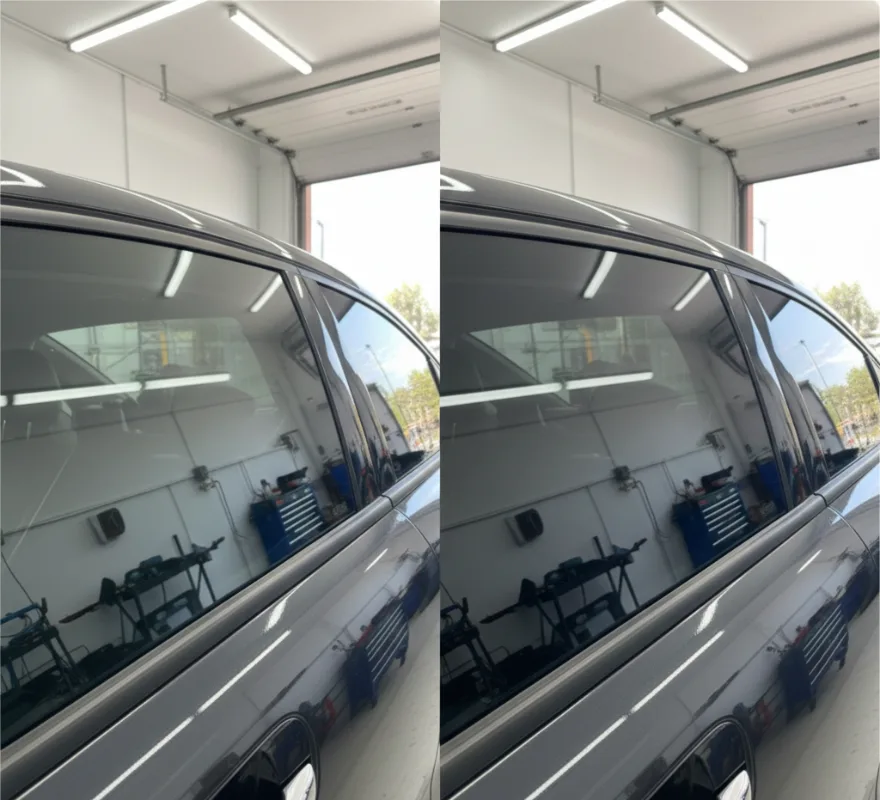
What is ceramic window tint?
Ceramic window tint uses non-metal, nano-ceramic particles embedded in the film. That is the key difference. Ceramic is built for performance, not just darkness.
What ceramic tint does well
- Better heat rejection: Ceramic film is designed to block more infrared heat, which is what makes sunlight feel hot.
- Strong UV protection: Helps protect your skin and your interior from cracking, fading, and drying out.
- No signal interference: Because it is non-metallic, ceramic tint generally plays nicely with GPS, phones, Bluetooth, and radio.
- Clearer visibility: Quality ceramic film tends to look cleaner and stay clearer, including at night.
- More durable: Less prone to fading, bubbling, or peeling when installed correctly.
If you commute around the DMV or park outside in Northern Virginia, ceramic is the tint you feel every day.
Ceramic tint vs regular tint: side-by-side comparison that actually matters
1) Heat rejection and cabin comfort
This is the biggest real-life difference.
- Regular tint: Often absorbs some heat but can still leave your car feeling hot, especially on the windshield and front side windows (where legal limits can restrict darkness).
- Ceramic tint: Typically blocks more infrared heat so the cabin cools faster and stays more comfortable.
If you’ve ever gotten into your car and felt like the seatbelt is trying to brand your shoulder, ceramic tint is the fix that makes sense.
2) UV protection and interior protection
Both can block UV, but ceramic tends to be more consistent across the film line.
- Regular tint: Can offer decent UV blocking, but quality varies.
- Ceramic tint: Usually provides strong UV protection and holds it longer.
This matters if you want to protect:
- Leather and vinyl from cracking
- Dash screens from sun stress
- Upholstery from fading
3) Glare reduction and night driving
- Regular tint: Cuts glare well depending on darkness.
- Ceramic tint: Cuts glare while keeping clarity strong, so it can be more comfortable without making nighttime visibility feel sketchy.
4) Looks and color stability over time
- Regular tint: Cheaper films can fade, shift color, or look uneven.
- Ceramic tint: Generally holds color better and stays “factory clean” longer.
5) Signal interference
- Dyed regular tint: Usually fine.
- Ceramic tint: Also fine.
(Interference is more common with older metal-based films, which many drivers avoid for that reason.)
6) Longevity and value
- Regular tint: Lower upfront cost, higher chance you replace it sooner.
- Ceramic tint: Higher upfront cost, lower chance you redo it in a few years.
Cost: is ceramic tint worth it?
Let’s be real. Ceramic tint costs more.
But “worth it” depends on what you hate most:
- If you hate heat and you commute a lot, ceramic tint is worth it fast.
- If you mainly want privacy and a darker look, regular tint can be enough.
A simple way to decide:
- Keep the car 3+ years? Ceramic starts to make more financial sense because you avoid replacement and get comfort daily.
- Leasing or flipping soon? Regular tint can be a practical choice.
At Pro Detailing, we’ll show you film options side by side so you can see clarity, shade, and finish before you commit.
What about carbon tint, dyed tint, and “regular tint” confusion?
A lot of shops call everything “regular.” In reality, there are tiers:
- Dyed film: Basic, budget-friendly.
- Carbon film: Often a step up, usually better color stability and heat performance than cheap dyed film.
- Ceramic film: Premium performance, best heat rejection and long-term stability.
If you’re shopping and the quote is suspiciously cheap, ask what film type it is. “Regular tint” without details usually means dyed film.
Does tint darkness matter more than tint type?
Both matter, but here’s the twist:
Tint type often matters more than darkness for comfort.
A darker cheap tint can still feel hot inside. A lighter ceramic tint can feel noticeably cooler.
So if you want comfort and you also want to stay compliant with Virginia window tint laws, ceramic tint is a smart move because you can choose legal shades while still getting strong heat rejection.
Ceramic window tint vs regular tint in Northern Virginia: what local drivers deal with
Northern Virginia and the DMV bring a specific mix of pain:
- Summer humidity plus intense sun
- Stop and go traffic that traps heat
- Parking lots with zero shade
- Winter glare off wet roads and snow
- Long commutes where comfort matters
That’s why we often recommend ceramic tint for:
- Daily commuters
- Parents with kids in car seats
- Rideshare and delivery drivers
- EV owners (range and HVAC load matter)
- Anyone who parks outside all day
Regular tint still makes sense for:
- A second car
- A short commute
- Someone who mostly wants privacy and style
Choosing the right tint based on how you drive
If you commute daily
Go ceramic. You will feel the difference every single drive, especially in summer.
If you mostly drive evenings or weekends
Regular tint can be enough, but ceramic still helps with UV and glare.
If you have kids or pets
Ceramic is the move. Better heat control means less “backseat sauna.”
If your car is black or has a dark interior
Ceramic helps more than you’d think because dark interiors absorb heat like crazy.
If you want the best look long-term
Ceramic usually stays cleaner-looking, clearer, and more color-stable.
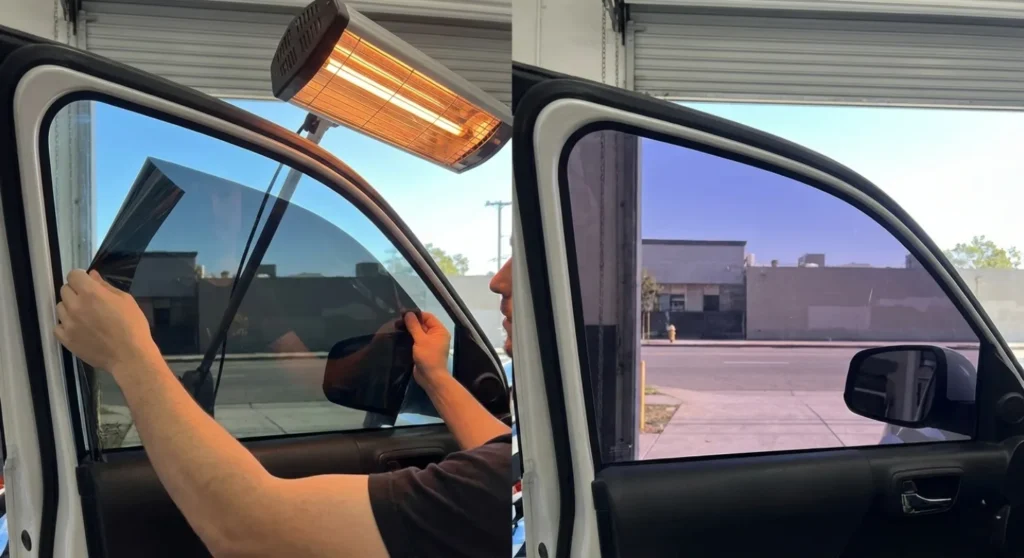
Installation quality matters as much as the film
Even the best film looks bad if the install is rushed.
Here’s what separates a clean install from a regret:
- Proper glass prep and contamination removal
- Clean environment (dust is the enemy)
- Correct shrinking technique so edges sit right
- Clean, tight corners and consistent alignment
- Proper curing guidance after install
At Pro Detailing, we treat tint like a finish service, not a quick add-on. Same mindset we bring to car detailing, car wash, and paint protection services like ceramic coating.
How long does tint take to cure?
Curing depends on film type, weather, and humidity.
- In warm months, tint generally cures faster.
- In colder months, it can take longer for moisture to fully evaporate.
What you might see during curing:
- Light haziness
- Small water pockets that shrink over time
That’s normal as long as it improves day by day.
How to take care of new tint
If you want your tint to last:
- Do not clean the inside glass for the first few days (we’ll tell you the safe window).
- Avoid rolling windows down right away after install.
- Use gentle glass cleaners and soft microfiber towels.
If you want the full “easy maintenance” setup, pairing tint with regular car detailing and a proper car wash routine keeps the glass and film looking sharp.
Ceramic window tint vs regular tint: common mistakes buyers make
Mistake 1: Buying by darkness only
Dark does not equal cool. Film type matters.
Mistake 2: Going cheapest, then paying twice
Cheap film plus rushed install is how you end up with bubbling and purple tint.
Mistake 3: Ignoring legality
Virginia has specific tint requirements. A good shop keeps you compliant without you having to guess.
Mistake 4: Forgetting windshield options
Many drivers don’t realize you can improve comfort and glare without going “dark.” Ask about options that support visibility while improving heat control.
Pro Detailing: window tinting in Northern Virginia and the DMV
If you’re in Northern Virginia, the DMV area, or nearby and you’re trying to decide between ceramic and regular tint, we’ll help you pick the right film for:
- your driving habits
- your comfort goals
- your budget
- your local compliance needs
And if you want a full vehicle protection plan, we can stack services smartly:
- window tinting for heat and UV protection
- ceramic coating to protect paint and make washing easier
- routine car detailing to keep the interior and exterior fresh
- maintenance car wash options to keep everything looking clean week to week
- ask about mobile car detailing if you need convenience
FAQs: Ceramic window tint vs regular tint
Is ceramic window tint better than regular tint?
In most cases, yes, especially for heat rejection, clarity, and long-term durability. Regular tint can still be a good value if you mainly want privacy and a darker look.
Does ceramic tint block more heat?
Typically, yes. Ceramic tint is designed to reject more infrared heat, which is the biggest factor in cabin comfort.
Does regular tint fade over time?
It can, especially lower-quality dyed film. Ceramic tint generally resists fading better.
Will ceramic tint interfere with my phone signal or GPS?
Ceramic tint is non-metallic, so it typically does not interfere with signals. (Signal issues are more common with certain metallic films.)
Is ceramic tint worth the extra cost?
If you commute, park outside, or plan to keep your car for years, ceramic usually makes sense because you get comfort daily and better longevity.
Which tint is best for hot summers in Northern Virginia?
Ceramic tint is usually the top pick for DMV summers because of stronger heat rejection and UV protection.
How long will ceramic tint last compared to regular tint?
Quality ceramic tint often lasts longer when installed properly and cared for. Regular tint lifespan varies by film quality and exposure.
Can I still get privacy with ceramic tint?
Yes. Ceramic tint comes in many shades. The difference is you can often get strong comfort benefits even without going extremely dark.
How do I stay compliant with Virginia window tint laws?
Choose a reputable installer who understands Virginia requirements and helps you select the right shade for each window.
Finale
Choosing between ceramic window tint vs regular tint comes down to how you drive, how long you plan to keep your vehicle, and how much daily comfort matters to you. For drivers across Northern Virginia and the DMV, ceramic tint often delivers the best long-term value with superior heat rejection, UV protection, and clarity that you feel every single day. Regular tint still has its place for budget-focused upgrades, but when comfort, durability, and interior protection matter, ceramic consistently pulls ahead.
At Pro Detailing, we help you choose the right window tint based on real driving conditions, not sales hype. If you’re ready to upgrade your comfort, protect your interior, and get professional results that last, this is the perfect time to book your window tint installation and drive smarter year-round. See us on Instagram.